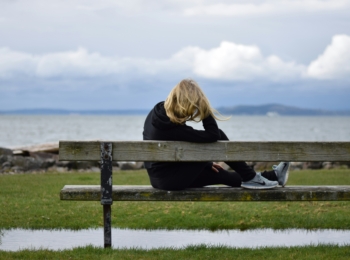
TLDR: Menopause is a life transition, not a diagnosis. The physical changes deserve support (herbal, nutritional, MHT, or all of the above). But the story we've been told about this…
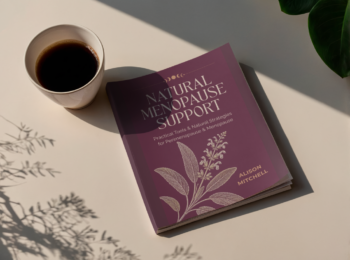
Several years ago I created Natural Menopause Support, an e-course with many hours worth of content for women going through perimenopause and menopause. This year I took all of…
If you are in your forties or fifties and suddenly finding yourself wide awake at 3am, staring at the ceiling while your mind runs laps, you are not imagining it.…
If you've recently received an HPV diagnosis, first things first — take a breath. A positive result can feel alarming, but the reality is that HPV is incredibly common, and…
Hair Loss & Hair Thinning: A Naturopathic Approach to Finding the Root Cause Hair loss can be stressful and deeply upsetting. For many people, changes in their hair affect confidence,…
Not long after you blew the candles out for your 40th birthday cake, you likely started to notice some subtle shifts in how you were feeling. Maybe you started feeling…
Imagine this scenario – you’ve been getting symptoms such as vulval itching and redness so you treat it with an over-the-counter thrush cream. The symptoms go. Must have been thrush,…
Let’s be honest—having endometriosis is hard enough without the added bonus of digestive issues. But did you know that people with endometriosis are three times more likely to also have…
Understanding and treating missing periods naturally. Hypothalamic Amenorrhoea (HA) is a condition you may have been hearing about more frequently lately. Despite being a bit of a mouthful to pronounce,…
I am thrilled to welcome Carissa back from maternity leave! After spending precious time with her beautiful baby girl, Poppy, Carissa is returning to practice and will be available for…
Have you ever wondered why so many seemingly unrelated health issues—like hormonal acne, period pain, fatigue, and digestive troubles—often appear together? The answer lies in the intricate relationship between your…
Polycystic ovary syndrome (PCOS) is often thought of as a testosterone-related condition, but did you know that oestrogen plays a significant role too? In women with PCOS, the extended follicular phase leads to prolonged exposure to oestrogen, contributing to common symptoms like heavy periods, breast tenderness, and mood swings. In this blog post, we explore how hormonal imbalances—including low progesterone, aromatisation of testosterone to oestrogen, and increased sensitivity to oestrogen—affect those with PCOS. Plus, we look at how endocrine disruptors like BPA can worsen these symptoms.
We use cookies to ensure that we give you the best experience on our website and for marketing purposes. If you continue to use this site we will assume that you are happy with it.